
Roll Forming Machine Price




Roll Forming Machine Price and Cost Guide
A roll forming machine price cannot be calculated accurately from profile width alone. The investment depends on geometry, material, speed, punching and cutting, automation, tooling and acceptance requirements. Two similar-looking quotations may represent very different output, changeover time and lifetime cost.
Because steel, electrical components, freight and exchange rates change, YCS Machinery provides project-specific pricing after reviewing the product drawing and production plan.
What determines the price?
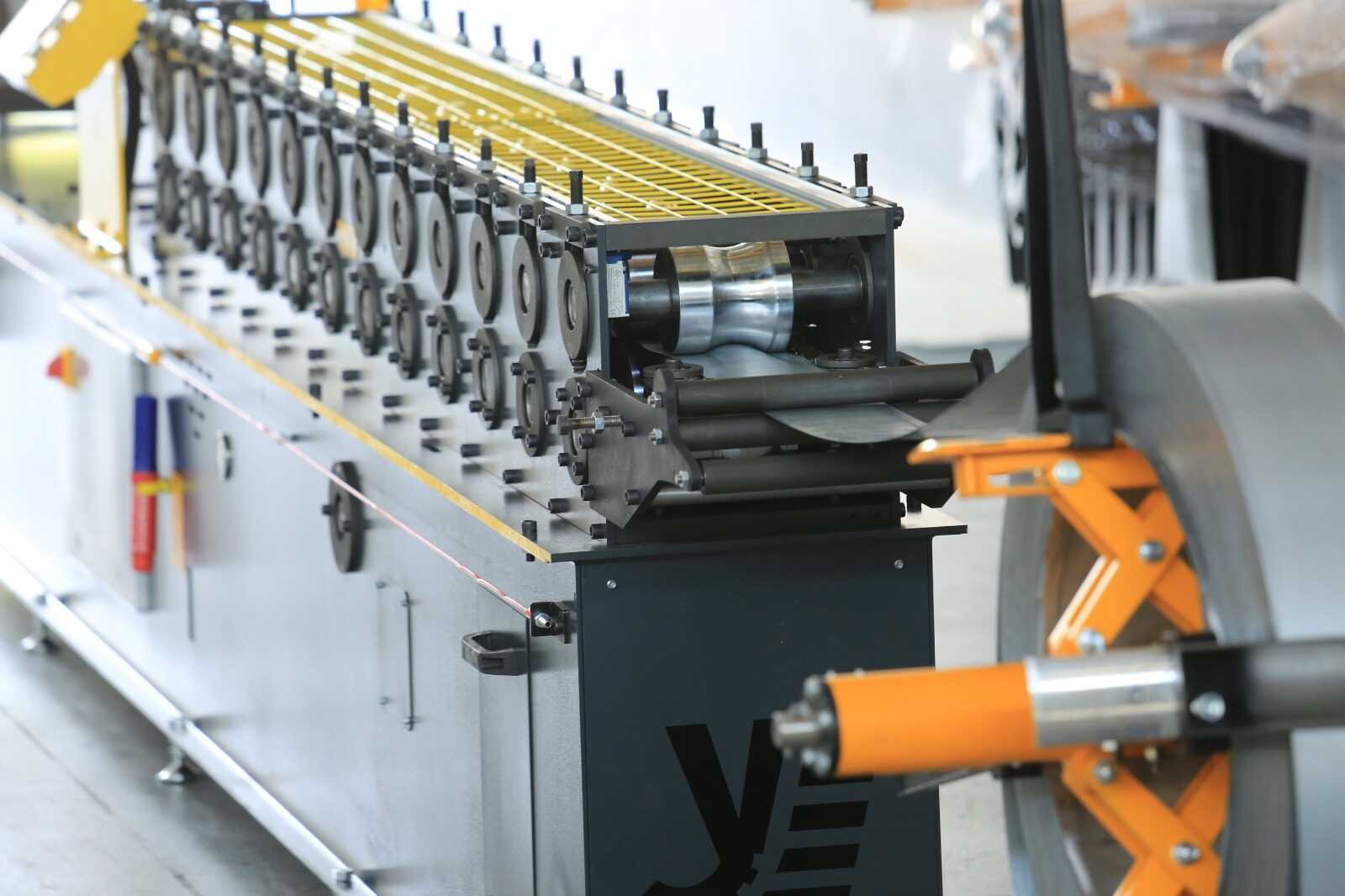
Profile complexity and forming stands
A simple open profile normally needs fewer forming stages than a deep, asymmetric section. Tight radii, return bends, embossing and cosmetic surfaces can increase tooling and engineering. The roll flower must control springback and distortion gradually.
Material grade and thickness
High-strength steel, stainless steel, aluminum and pre-painted material create different requirements. A wide thickness or yield-strength range can affect shafts, drive power, frame stiffness and tooling compensation. Share the material standard and certificate, not only nominal thickness.
Production speed and line configuration
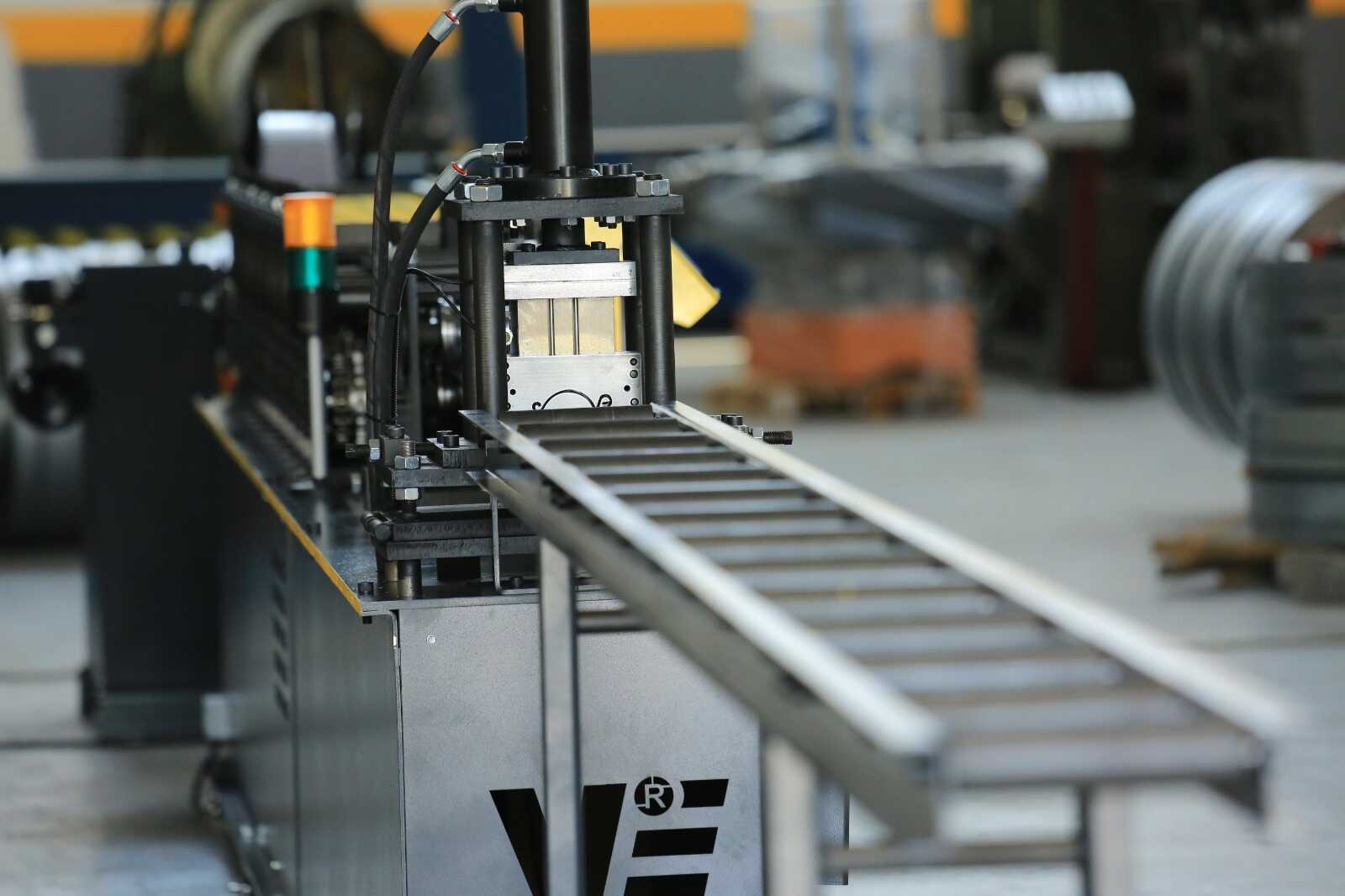
Higher output may require a powered decoiler, accumulator, servo feeding, flying cut-off and automatic handling. Actual output also depends on hole quantity, part length and packing. A quotation should state the expected cycle for the real product.
Punching, notching and cutting
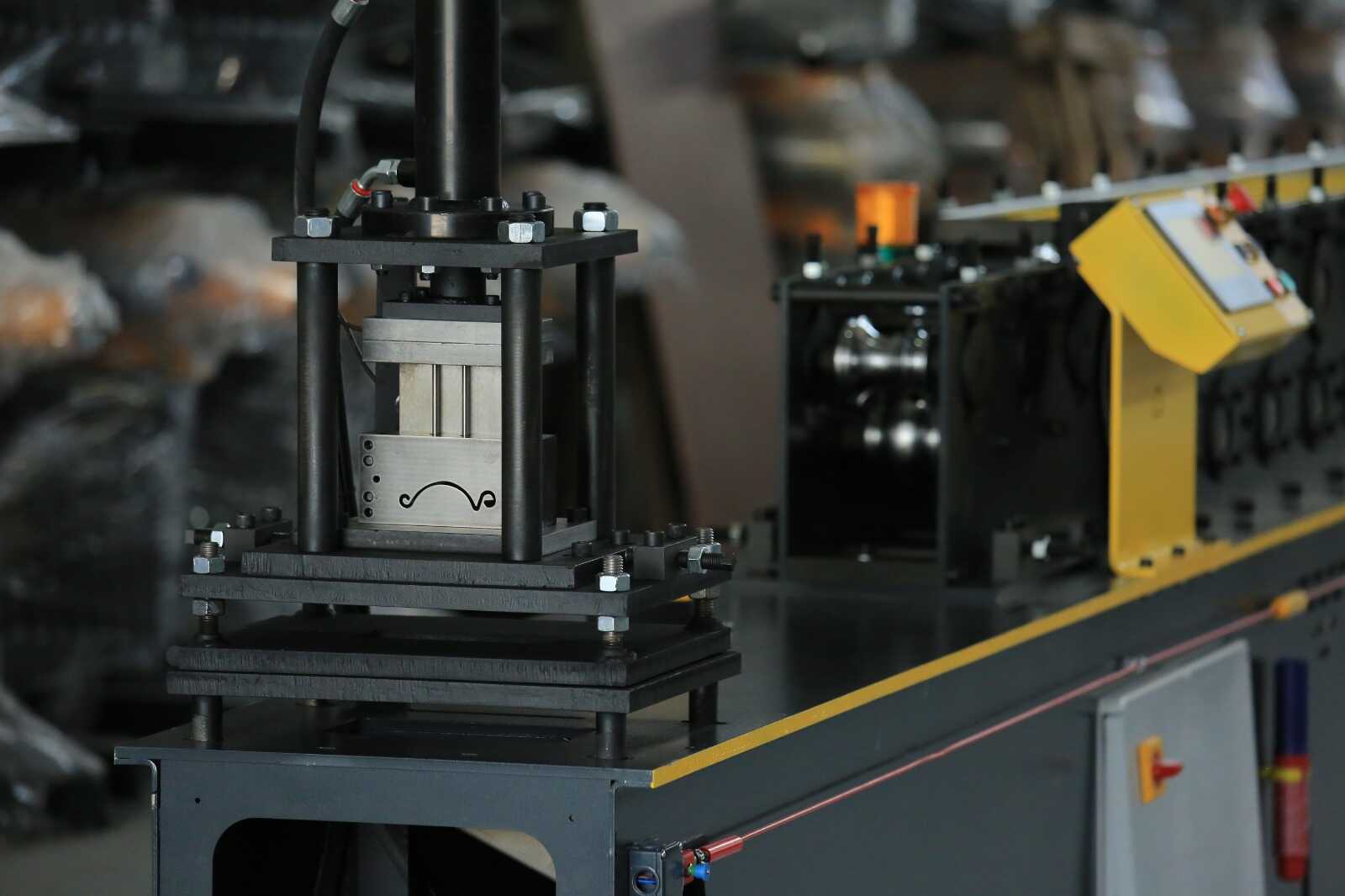
Hydraulic punches, mechanical presses, servo units, flying saws and shears have different costs. Tooling for multiple hole patterns or lengths can add flexibility. Roller shutter production can also include a micro punching machine.
Tooling and changeover
A single-profile line, adjustable tooling, cassette system and rafted line have different costs. When changes are frequent, a faster repeatable changeover can reduce labor and scrap enough to justify the investment. Ask what roll material, heat treatment and surface finish are included.
Controls, automation and safety
PLC/HMI recipes, servos, automatic stacking, remote diagnostics and production data affect price. Guarding, interlocks, emergency stops and electrical standards must match the destination and agreed compliance scope.
Typical configuration levels
| Configuration | Suitable for | Main cost drivers |
|---|---|---|
| Focused single-profile line | Stable product and moderate volume | Tooling, decoiler, mill and cut-off |
| Flexible multi-profile line | Related profiles or frequent changes | Adjustable/cassette tooling and recipes |
| High-output automated line | Large repeat volume | Accumulator, flying process and handling |
| Turnkey production cell | Coil-to-stacked-part production | Auxiliaries, integration and commissioning |
These are categories, not fixed packages. The correct configuration is determined by the profile and production plan.
Costs often missed in a low quotation
- Profile or punching tools excluded from the base price
- Coil car, loading and strip joining equipment
- Guards and electrical compliance
- Installation, travel, commissioning and training
- Freight, insurance, import charges and unloading
- Foundation, electrical supply and compressed air
- Recommended spares and cutting tools
- Trial material and factory acceptance testing
Compare total cost of ownership
A cheaper line may cost more if it creates setup scrap, requires long changeovers or cannot hold tolerance. Estimate material yield, operators, changeover time, energy, tooling life, consumables, maintenance and downtime. A documented maintenance plan protects the investment after commissioning.
How to request an accurate quotation
- Dimensioned profile drawing and part lengths
- Material grade, coating, thickness and strip width
- Coil diameter and maximum coil weight
- Annual volume, shifts and target output
- Hole, notch, marking and cutting details
- Dimensional and surface tolerances
- Voltage, electrical standard and destination
- Installation, training and test scope
Questions to ask before comparing offers
- Does the proposal cover the complete line and all tools?
- Which material will be used for acceptance?
- What output is expected for the actual part?
- How are changeovers performed?
- Which documents and spare parts are included?
- Which freight, taxes and site works are excluded?
Get a project-specific YCS quotation
Use the roll forming machine buyer’s guide to prepare your specification. For shutter profiles, review the roller shutter machine range. Then send YCS Machinery your drawing and requirements for an engineered configuration and current quotation.
Please contact with us if you want to get more information...
Related technical guides


